
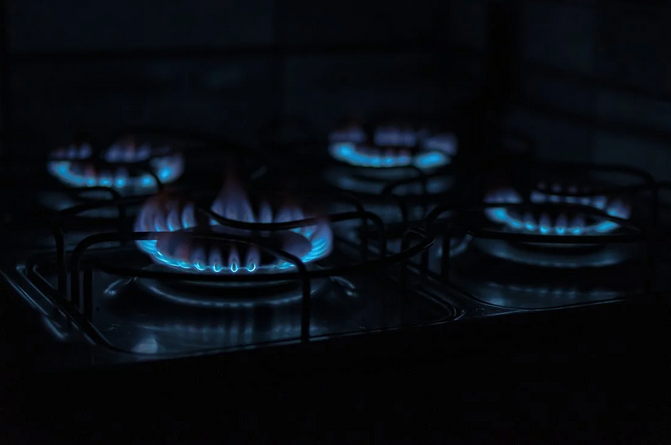
Let’s face it—natural gas is incredibly convenient. It heats our homes quickly, fires up our stovetops instantly, and often comes with lower monthly bills compared to electric alternatives. But with climate concerns on the rise, many homeowners are starting to ask: Is that comfort worth the environmental cost? Natural gas might seem like a cleaner option than coal or oil, but it’s still a fossil fuel—and using it in our homes contributes more to climate change than many people realize. If you’re trying to balance comfort with consciousness, it might be time to look at the bigger picture.
Natural Gas Isn’t as Clean as It Sounds
Natural gas is often called the “cleanest” fossil fuel, which is technically true—but it doesn’t make it harmless. When burned, natural gas emits less carbon dioxide than coal or oil, but it’s still a major source of greenhouse gases. Plus, the production and transportation of natural gas releases methane, a gas that traps more heat in the atmosphere than CO₂. While we may not see these emissions coming from our stove or furnace, they’re happening behind the scenes—and they add up fast.
Your Bill Might Not Show the Full Story
Many people stick with natural gas because it feels affordable—and in terms of monthly payments, that’s often true. However, those numbers can be misleading when we zoom out and consider the broader costs, including environmental impact. Utility Rates may fluctuate based on supply, demand, and infrastructure maintenance, but they don’t reflect the hidden cost of emissions, health effects from air pollution, or the climate-related disasters made worse by fossil fuel use. What looks like a budget-friendly energy option now may carry a much higher price down the road.
Heating Our Homes Has a Big Environmental Footprint

Home heating accounts for a significant portion of residential energy use, especially in colder climates. Natural gas furnaces are popular because they’re fast, effective, and inexpensive to operate. But they’re also one of the biggest contributors to a household’s carbon emissions. As electric heating technology improves—particularly with high-efficiency heat pumps—more homeowners are making the switch. These systems can heat and cool your home using less energy and, when powered by renewable electricity, have a much smaller environmental footprint.
The Air Inside Your Home Can Suffer Too
It’s not just the planet that pays a price for natural gas use—your indoor air quality can suffer too. Gas stoves release nitrogen dioxide and other pollutants into your kitchen air, which can be especially harmful for children and people with asthma. While range hoods and ventilation help reduce exposure, switching to an induction or electric cooktop can improve air quality while also lowering your home’s overall emissions. Bonus: induction cooktops are fast, precise, and surprisingly fun to cook on once you get used to them.
Alternatives Are Important for Gradual Changes
Shifting away from natural gas doesn’t mean you need to rip out your appliances tomorrow. For many homeowners, it starts with small steps—maybe replacing a gas water heater with an electric model or choosing an electric heat pump when it’s time to replace your furnace. If your utility offers renewable electricity plans, switching over could be a low-effort way to make your home more sustainable. These gradual changes can add up, especially when combined with better insulation, smart thermostats, and energy-efficient appliances.
Comfort and sustainability don’t have to be at odds. Natural gas has long been the go-to for reliable, affordable home energy, but its environmental impact is becoming harder to ignore. As cleaner, greener technologies become more accessible, we have more choices than ever when it comes to how we power our homes.